Modular & Off-site Healthcare Construction
Better, faster, greener
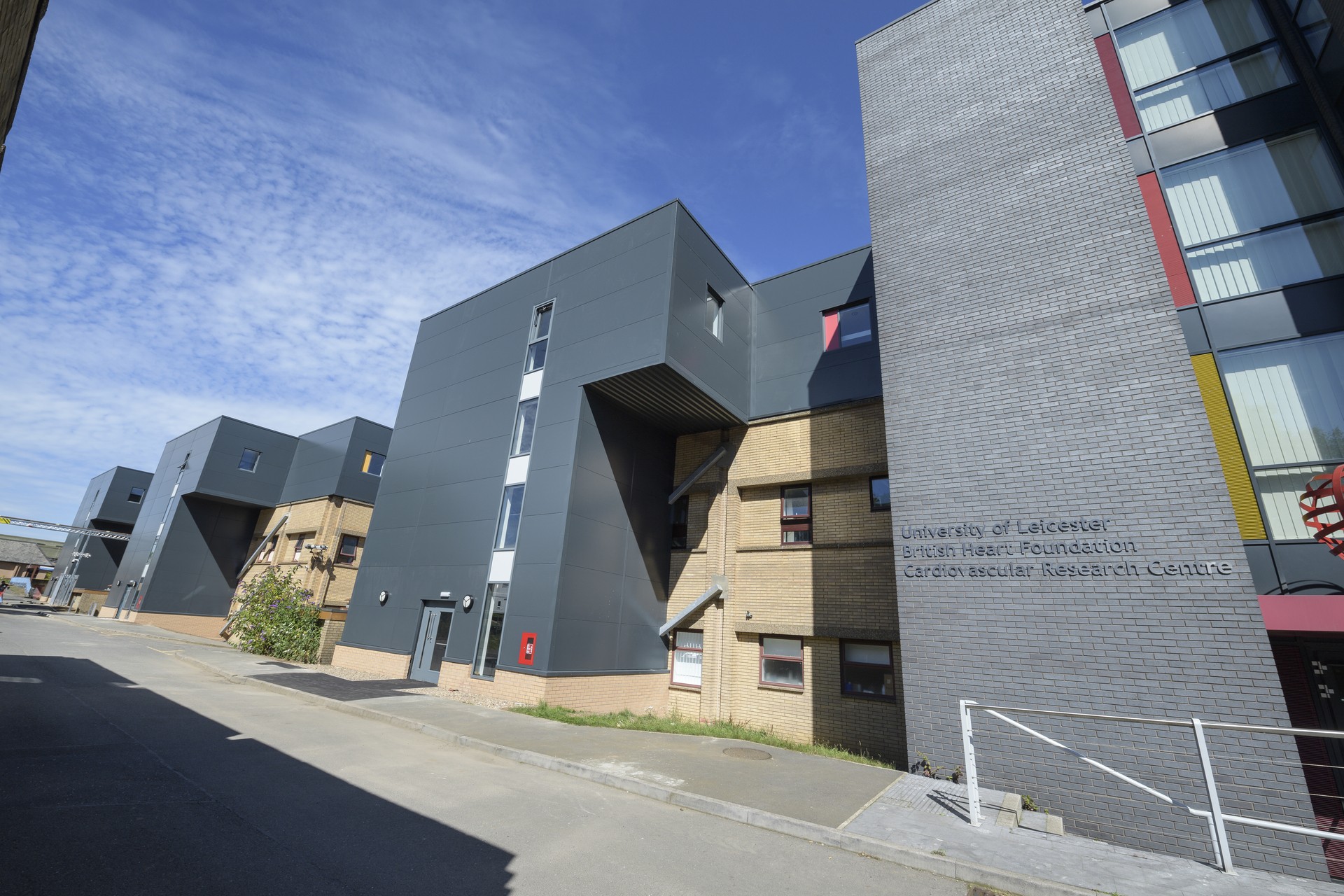
MTX Contracts is one of the UK's leading specialists in modular healthcare construction, delivering high-quality healthcare facilities using Modern Methods of Construction (MMC). For more than 40 years, we have worked with NHS Trusts and healthcare providers to create additional clinical capacity through faster, more efficient building solutions.
By combining offsite manufacturing with on-site construction, MTX delivers healthcare facilities in significantly shorter timescales than traditional building methods. This approach helps healthcare organisations bring new facilities into operation sooner, supporting growing demand while minimising disruption to existing services.
From Community Diagnostic Centres and Surgical Hubs to modular hospital wards and specialist treatment facilities, MTX has delivered projects across the UK that demonstrate the full potential of offsite healthcare construction.
What Is Modular Healthcare Construction?
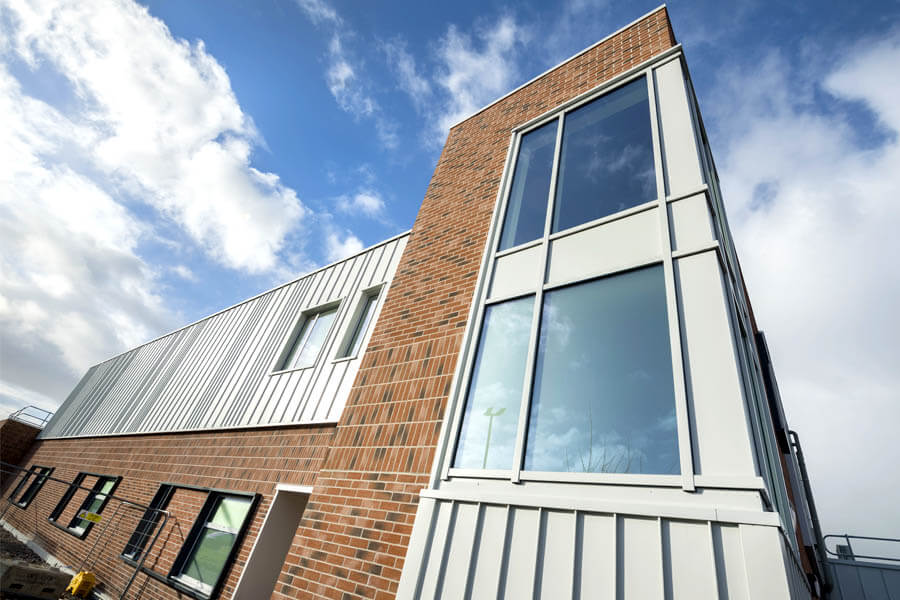
Modular healthcare construction uses factory-manufactured building components that are assembled on site to create permanent healthcare facilities.
Unlike temporary buildings, modern modular healthcare buildings are designed to the same standards as traditionally constructed facilities and can accommodate a wide range of clinical functions. They are fully integrated with hospital infrastructure and can be tailored to meet specific operational requirements.
At MTX, modular construction forms part of our wider hybrid MMC approach that combines offsite manufacturing, advanced construction techniques and detailed project planning. This enables healthcare facilities to be delivered more efficiently while maintaining high standards of quality, safety and performance.
Modular healthcare buildings are now widely used across the NHS for diagnostic, surgical, treatment and ward facilities, helping Trusts expand capacity and modernise estates more quickly.
Faster Delivery with Offsite Manufacturing
One of the biggest advantages of offsite healthcare construction is speed.
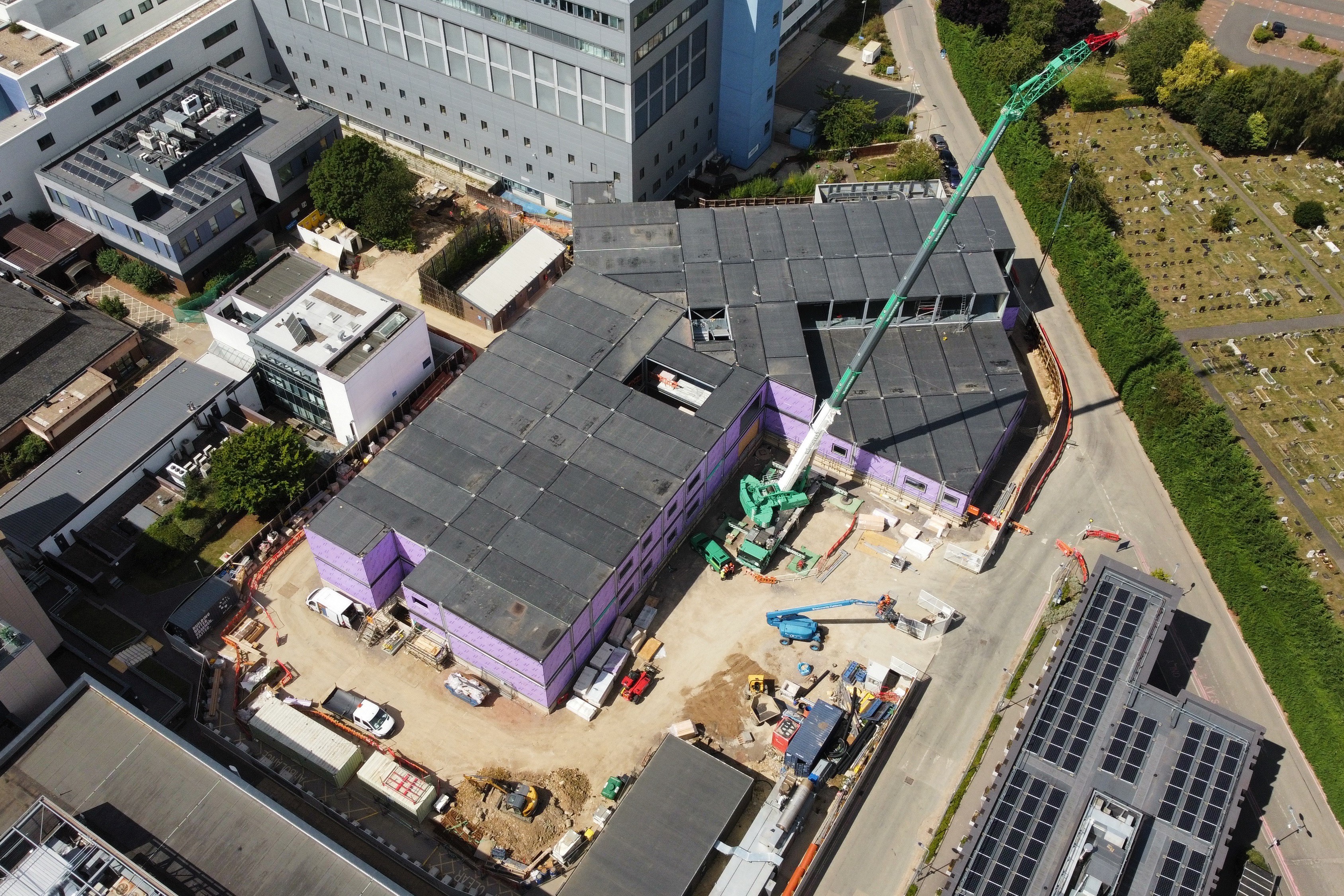
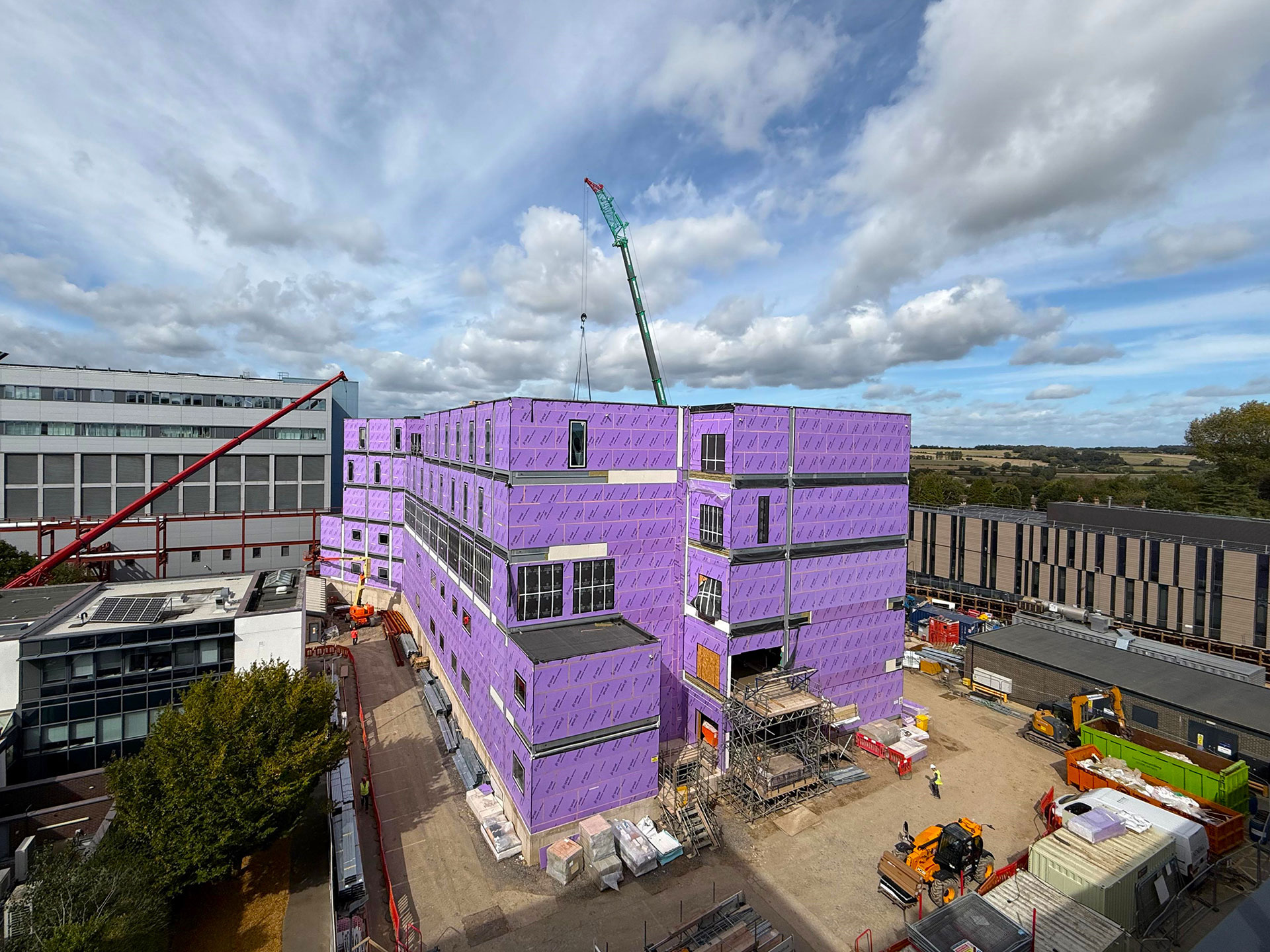
Traditional construction programmes often require groundworks, structural works and building construction to take place sequentially. With MMC, major structural components can be manufactured offsite while enabling works and foundations are completed on site.
This parallel approach significantly reduces overall programme durations, enabling NHS Trusts to bring new facilities into operation much sooner.
Offsite manufacturing also improves quality control, by allowing construction to take place within factory-controlled environments. Weather delays are reduced, site disruption is minimised and project delivery becomes more predictable.

Modular Operating Theatres & Wards
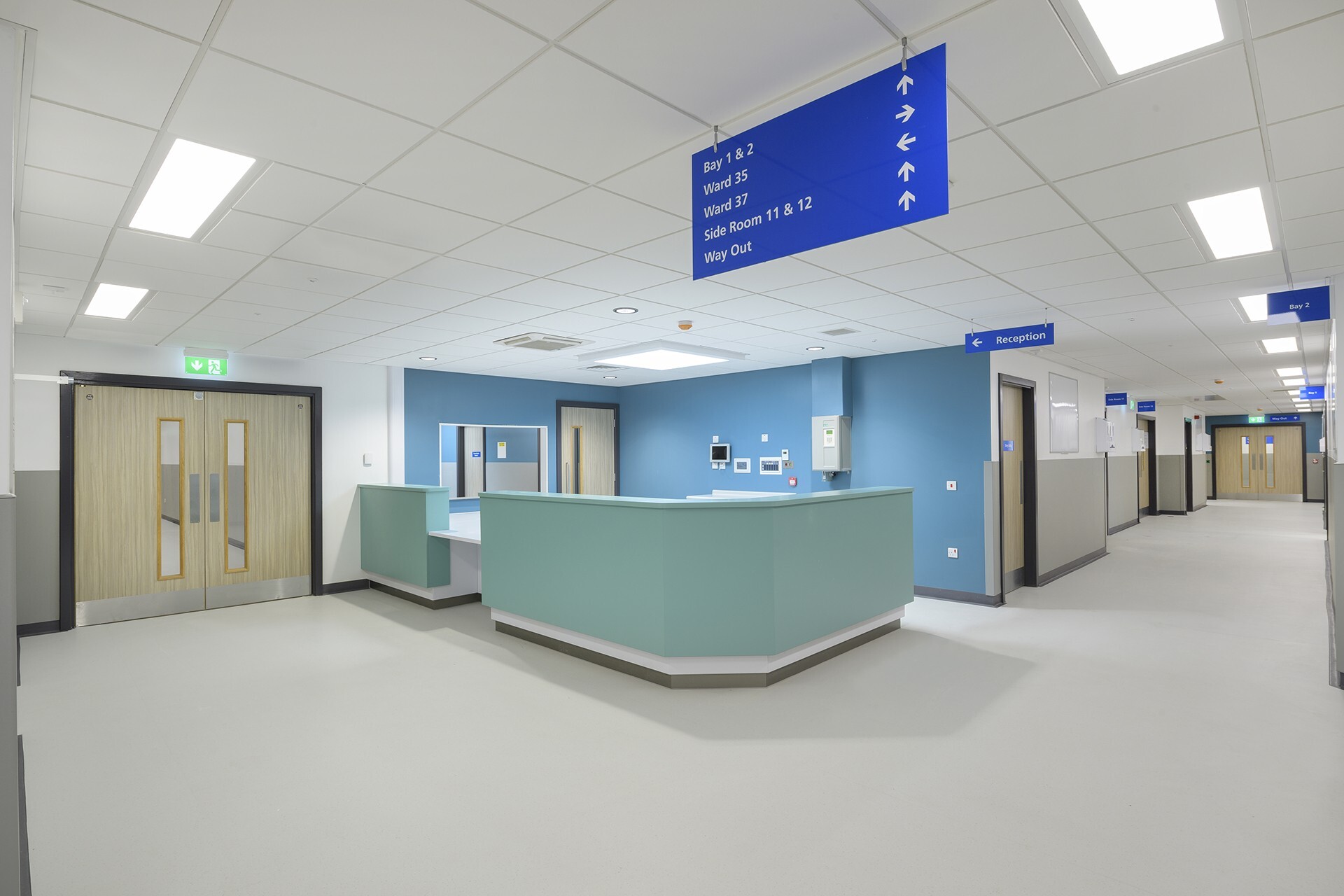
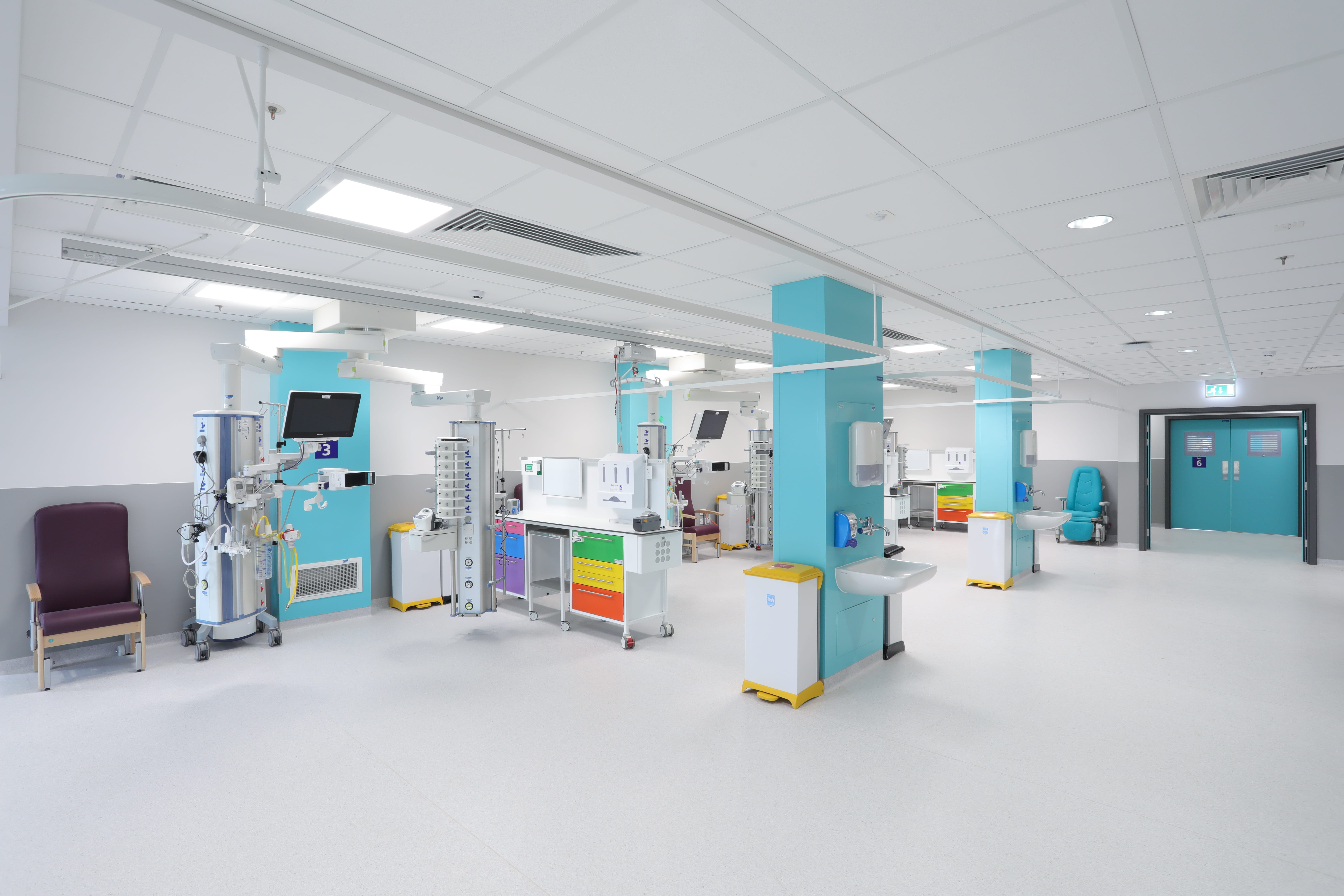
MTX has extensive experience delivering modular operating theatres and modular hospital wards as part of wider healthcare expansion programmes. These facilities are designed to meet the complex requirements of modern healthcare environments, providing high-quality clinical accommodation that supports efficient patient care and operational performance.
Modular operating theatres can be delivered as standalone facilities or as part of larger surgical developments, helping Trusts increase elective capacity and support waiting list recovery programmes.
The use of MMC enables these projects to be delivered faster than traditional construction methods, while maintaining the quality and durability expected of permanent healthcare facilities.
Key benefits include:
- Faster programme delivery
- Reduced disruption within live hospital environments
- Improved quality control through factory-based manufacturing
- Reduced construction waste
- Lower site traffic and vehicle movements
- Greater programme certainty
- Enhanced sustainability performance
For NHS Trusts, these benefits extend beyond construction. Faster project delivery enables additional clinical capacity to become operational sooner, supporting service expansion and improving access to care. MMC also contributes to more sustainable healthcare developments by reducing waste and improving construction efficiency.
Offsite construction is playing an increasingly important role in delivering facilities that are both efficient and adaptable.
Rapid-build modular hospitals
MTX has delivered a wide range of modular healthcare buildings across the UK, helping NHS organisations respond to growing demand.
Our portfolio includes:
- Community Diagnostic Centres | View Lincoln CDC Case Study
- Surgical Hubs | View Colchester Elective Orthopaedic Centre Case Study
- Urgent Treatment Centres | View Cumberland UTC Case Study
- Hospital Wards | View Northwick Park Rooftop Ward Case Study
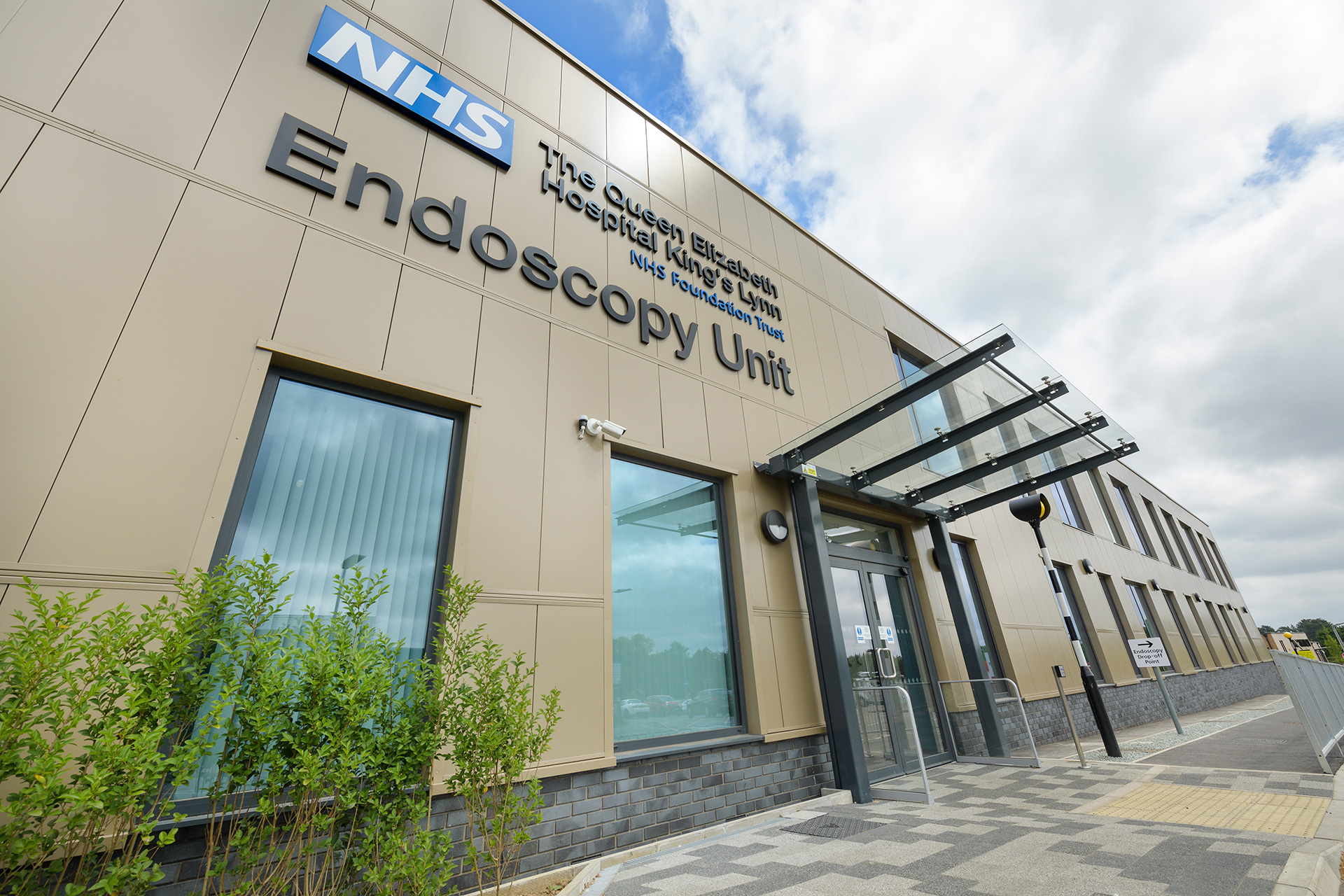
- Endoscopy Units | View Oldham Endoscopy Unit Case Study
- Operating Theatres | View Wrightington Theatres Case Study
These developments demonstrate how modular hospital construction can provide permanent, high-quality healthcare facilities within challenging timescales. By reducing programme durations and limiting disruption to operational healthcare environments, MMC enables Trusts to realise the benefits of investment more quickly.
Frequently Asked Questions
Modular healthcare buildings are permanent healthcare facilities created using factory-manufactured building components that are assembled on site. They are designed to the same standards as traditional buildings and can accommodate a wide range of clinical functions, including diagnostics, surgery, treatment and inpatient care.
Programme durations vary depending on the scale and complexity of the project. However, because offsite manufacturing can take place alongside site preparation works, modular hospital projects can be delivered significantly faster than traditional construction methods. For example, our Community Diagnostic Centres in Lincoln and Skegness were delivered concurrently in less than 40 weeks.
Yes. Modern modular hospital wards are permanent healthcare facilities designed to meet the same standards, regulations and performance requirements as traditionally constructed buildings.
Offsite construction offers a range of benefits, including faster delivery, reduced disruption, improved quality control, greater programme certainty, lower waste generation and enhanced sustainability performance. These advantages make it particularly well suited to healthcare environments where speed and operational continuity are critical.