Latest News
How Better Design Can Transform Emergency Care Facilities
28 Apr 2026
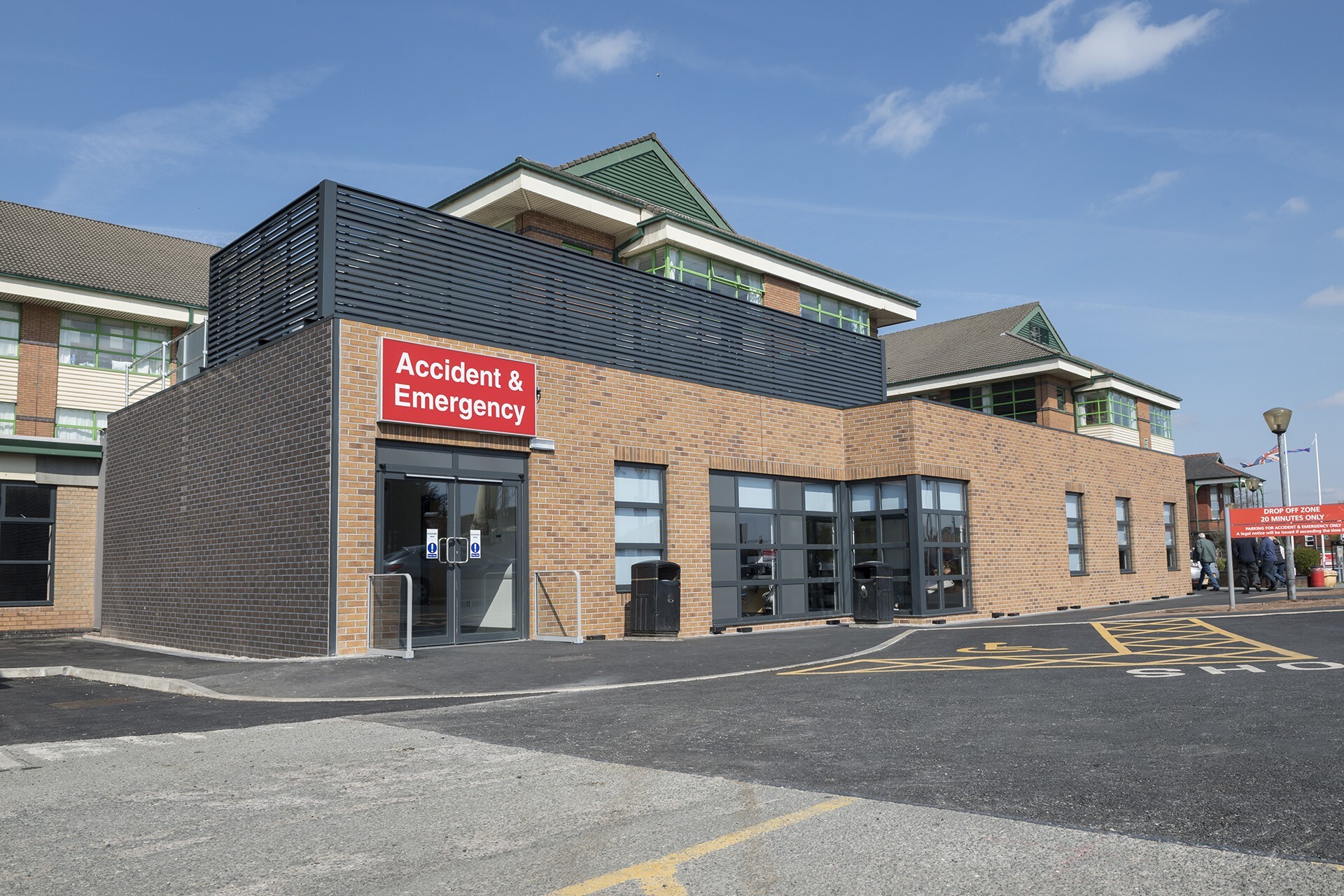
Across the UK, Accident and Emergency Departments are under increasing pressure. Patients are often experiencing long waiting times to be seen and treated by a clinician, whilst staff face increasing stress, with patient frustration too often boiling over into bad behaviour and violence. The winter surge in flu cases has made a challenging situation even worse. Here, health sector architect Narciso Simioni – Architectural Lead at MTX Contracts Ltd – examines how the company is working closely with NHS hospitals to design and build urgently needed new facilities that work effectively for patients and staff.
For 2025/26, the NHS has set key operational targets aimed at improving patient flow through hospitals to reduce congestion, particularly in emergency departments.
The primary national target is for at least 78% of patients to be admitted, transferred, or discharged from A&E within four hours, with an aim to improve on this. Another key target is to reduce the number of patients waiting over 12 hours for admission or discharge from A&E compared to 2024/25, with a goal of keeping this figure below 10%.
An increasing number of hospitals are investing in new A&E facilities, Urgent Treatment Centres (UTCs) and Same Day Emergency Care (SDEC) facilities to ease the pressure, improve patient care and experience, and reduce waiting times.
Accident and Emergency departments are designed to deal with life-threatening, critical emergencies, and provide immediate, life-saving care for severe conditions. These include heart attacks, strokes, major accidents, breathing difficulties, unconsciousness or deep wounds.
Urgent Treatment Centres (UTCs) are intended to handle urgent, non-life-threatening illnesses or injuries requiring same-day attention, such as sprains, broken bones, or minor cuts.
SDEC facilities allow specialists, where appropriate, to assess, diagnose and treat patients on the same day of arrival who would otherwise have been admitted to hospital. Under this care model, patients presenting at hospital with relevant conditions can be rapidly assessed, diagnosed and treated without being admitted to a ward, and if clinically safe to do so, will go home the same day their care is provided.
The UTC and SDEC facilities are usually located adjacent to A&E, or in the community for easier access, and most patients are referred either by GPs or the NHS 111 service.
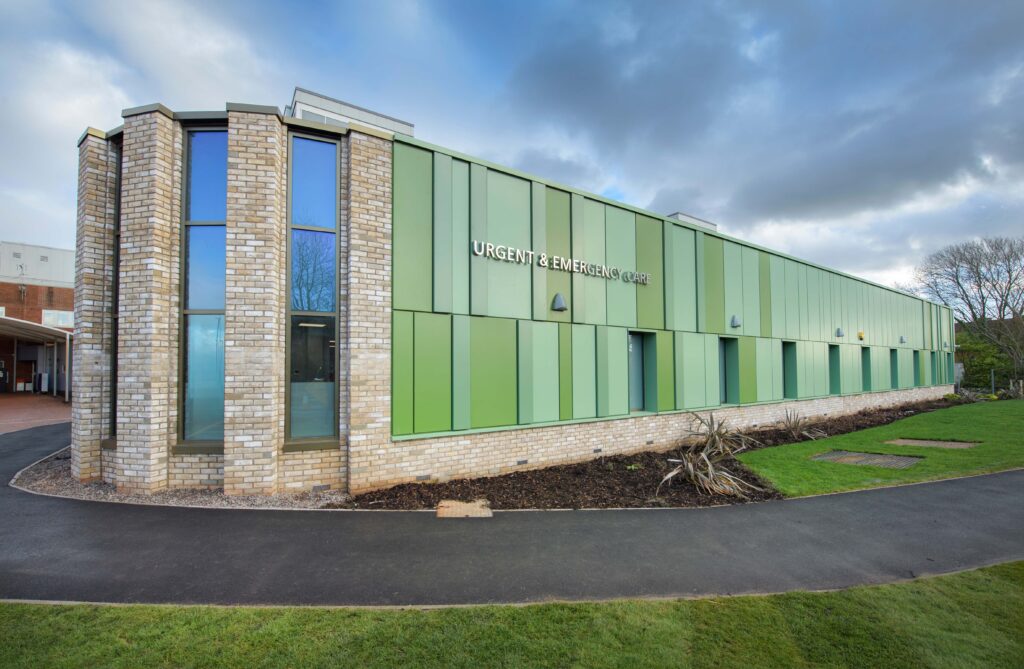
MTX Contracts Ltd works closely with NHS hospitals on a range of projects to create new facilities and improve patient care. The team recently completed a new Urgent Treatment Centre at the Cumberland Infirmary in Carlisle and is set to refurbish areas of the A&E Department during 2026. The UTC and A&E share the same entrance, but there is a clear divide to separate the two very different functions.
MTX is also delivering a new Urgent Treatment Centre at Clacton Hospital, with 51 steel structural modules in place and fit-out currently under way.
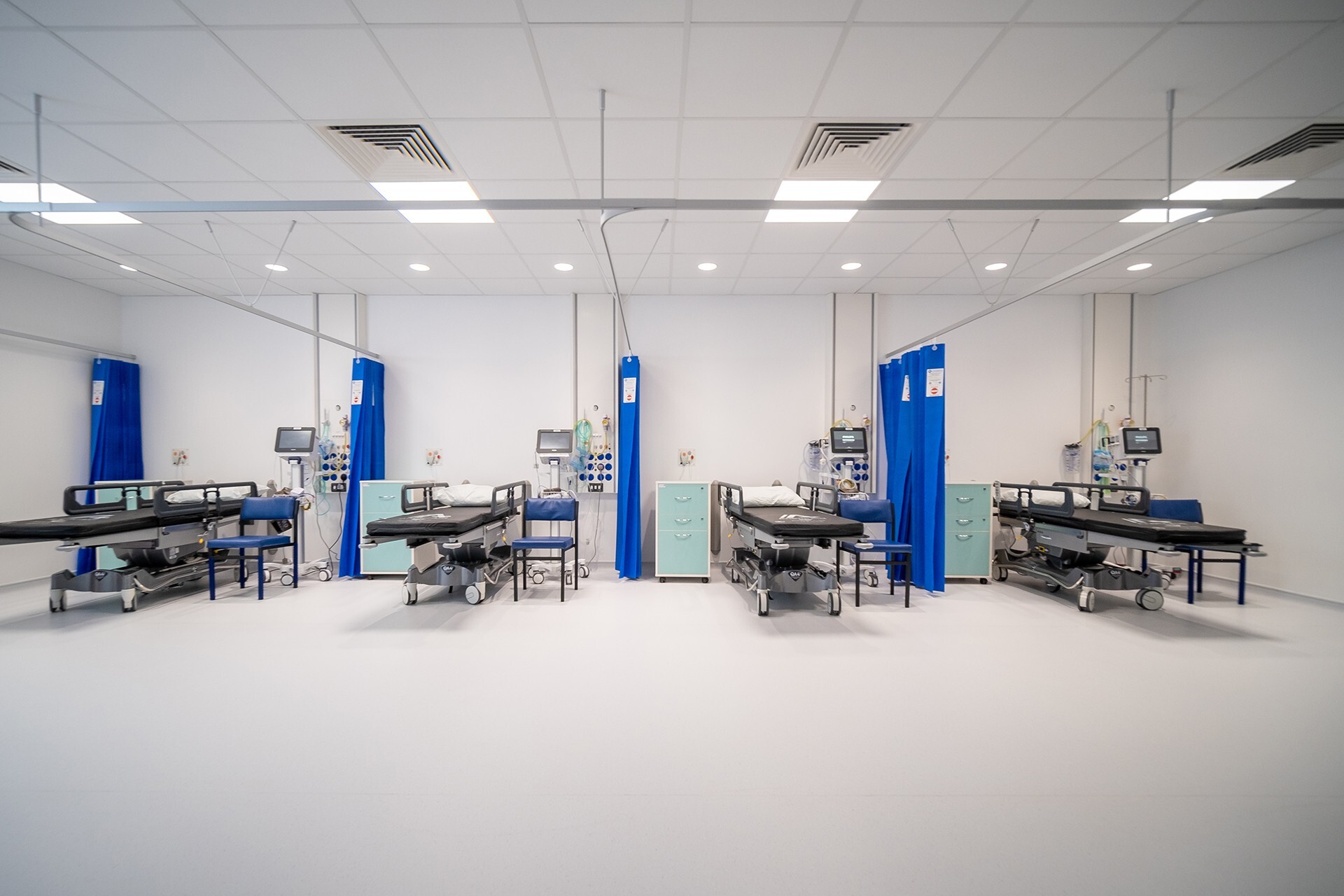
In 2022, MTX handed over the new £15m emergency department expansion project at Leighton Hospital for the Mid Cheshire Hospitals NHS Foundation Trust.
The new emergency department expansion increased the number of treatment rooms, rapid assessment rooms, isolation bays, resus bays and mental health assessment rooms. A new bereavement suite was also added, alongside a new diagnostic suite (CT and X-Ray) and a dedicated paediatrics unit to complete the new extension. The paediatric unit was decorated by a local artist.
The project – completed during COVID – also delivered efficiencies and greater clinical effectiveness through the co-location of the new build to the old site, allowing the relocation of ambulatory care services into the existing footprint.
Dr David Matthews, Clinical Director of Emergency Care said during the official opening in February 2022: “This facility is really exciting for the Trust – it has been carefully designed to allow for the clear separation of children and adults in a modern, welcoming environment that will greatly improve the patient experience.”
His comments echoed some of the priorities that MTX recognises in designing new emergency care facilities.
Many of these projects are undertaken on a design and build basis or through Pre-Construction Service Agreements (PCSA), with the MTX team assisting the Trust to bid for finance and develop the design from concept through to completion – and beyond.
The MTX team works closely with staff and estates teams to ensure they get the environment they need to do their jobs better.
There are proven considerations for creating new A&E facilities that work well, and at MTX, we have both the experience and expertise to deliver that fit-for-purpose and fully compliant solution. We also constantly examine and test our own practices and solutions to ensure we are keeping pace with new developments, both here in the UK and in the wider medical world.
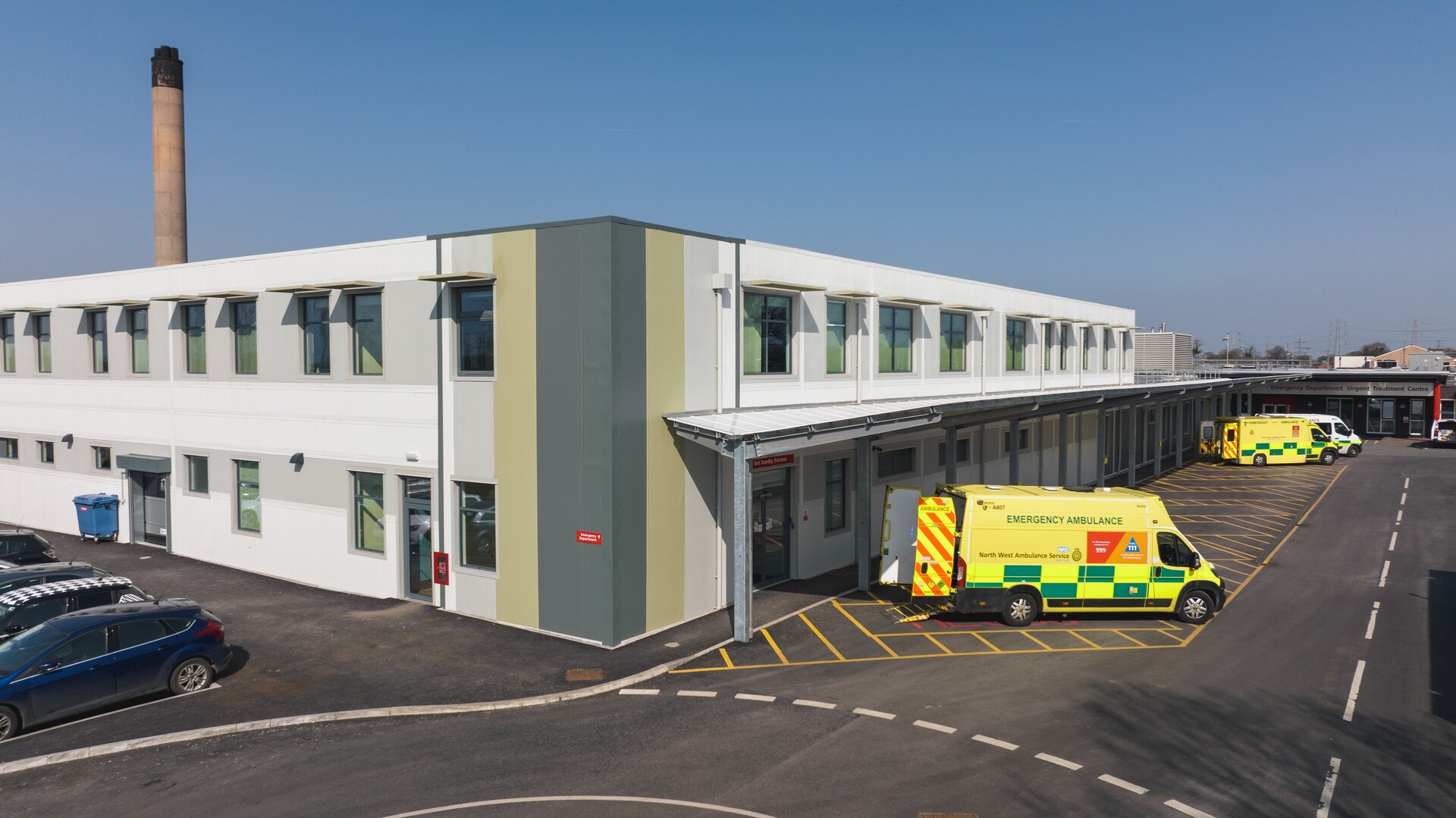
Regardless of the advice and guidance from the NHS, the A&E department is often the first port of call for people who arrive anxious, or in pain or discomfort, and they expect to receive treatment almost immediately. Despite the often outstanding efforts of staff on duty, this isn’t always realistic.
A well-designed A&E environment promotes a sense of calm and respect in which patients feel safe and comfortable, and the ambient environment can give the patient an immediate impression of how to behave and what to expect.
In A&E, patient flow is a major factor to help the facility achieve its aims of caring for patients quickly and efficiently.
Some hospitals have adopted a sign-posting system to inform patients about the various stages of the treatment process in A&E, to clearly indicate their current position within that process to demonstrate progress on their patient journey.
A&E departments often have different entry points, but to facilitate better security and simpler patient access, it is advisable to have as few entry points as possible. There should also be clear sightlines within the A&E to enhance security and also enable staff to better monitor patients and demand build-up.
The quality of the design, layout and materials used throughout the A&E department, in waiting areas as well as triage and treatment areas, should be designed as a comfortable and calm but efficient environment to inspire confidence as well as providing the elements of a healing space.
There should always be a balance between making the environment clinically effective and making the patient feel comfortable. In terms of appearance, current thinking leans towards natural materials and finishes with a palette of softer earthy colours and wood-effect finishes reconnecting with natural elements.
That connection with the outside world extends to illumination, with as much natural lighting as possible. Where windows are not a viable option, lighting panels that simulate natural light are frequently used, with blue sky or clouds creating distracting and comforting features.
At Leighton Hospital, the dedicated areas for children used brighter colours and cartoon motifs to engage and reassure young patients, with a local artist commissioned to create some of the images.
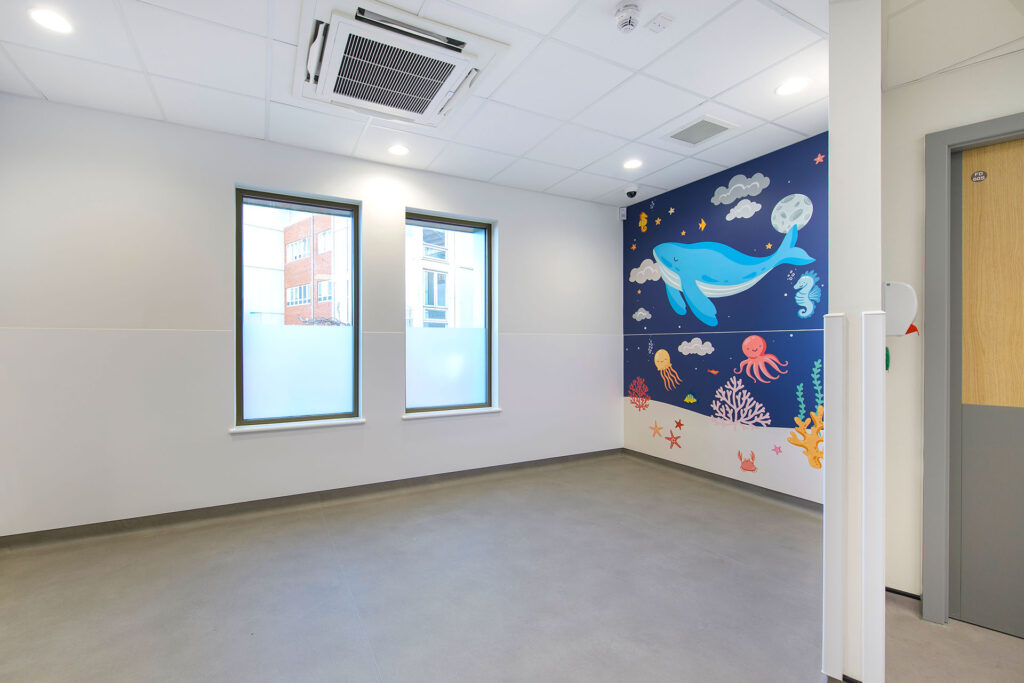
Lighting can impact on patient behaviour by changing the ambience of a space and create a bright and positive impression. Equally, bright lighting should be used at department entrances. This not only acts as a beacon to help those trying to locate it but also has the benefit of aiding CCTV imagery for added security.
A&E departments often feature lots of hard reflective surfaces which cause sound to travel long distances, and this can create a noisy environment. There is strong evidence that noise increases stress in adult patients – for example, by quickening heart rates and increasing blood pressure. So installing high-performance, sound-absorbing ceiling tiles and flooring can help reduce noise related stress.
The opportunity to build or refurbish an emergency department happens rarely, but when it does, it provides the chance to design a modern space that inspires and intuitively supports effective, efficient and safe patient care.
As an architect, I aim to create the structure around the service, not alter the service to fit the structure. We are the experts in designing and delivering new facilities, but the staff and estates teams have to work in them and operate them, so constructive collaboration is the key – which is why we are great believers in genuine partnerships and a joint solution.
- Narciso Simioni, Architectural Lead, MTX Contracts Ltd
Latest News
How Better Design Can Transform Emergency Care Facilities
28 Apr 2026